Willa Vogel · 2 September 2026
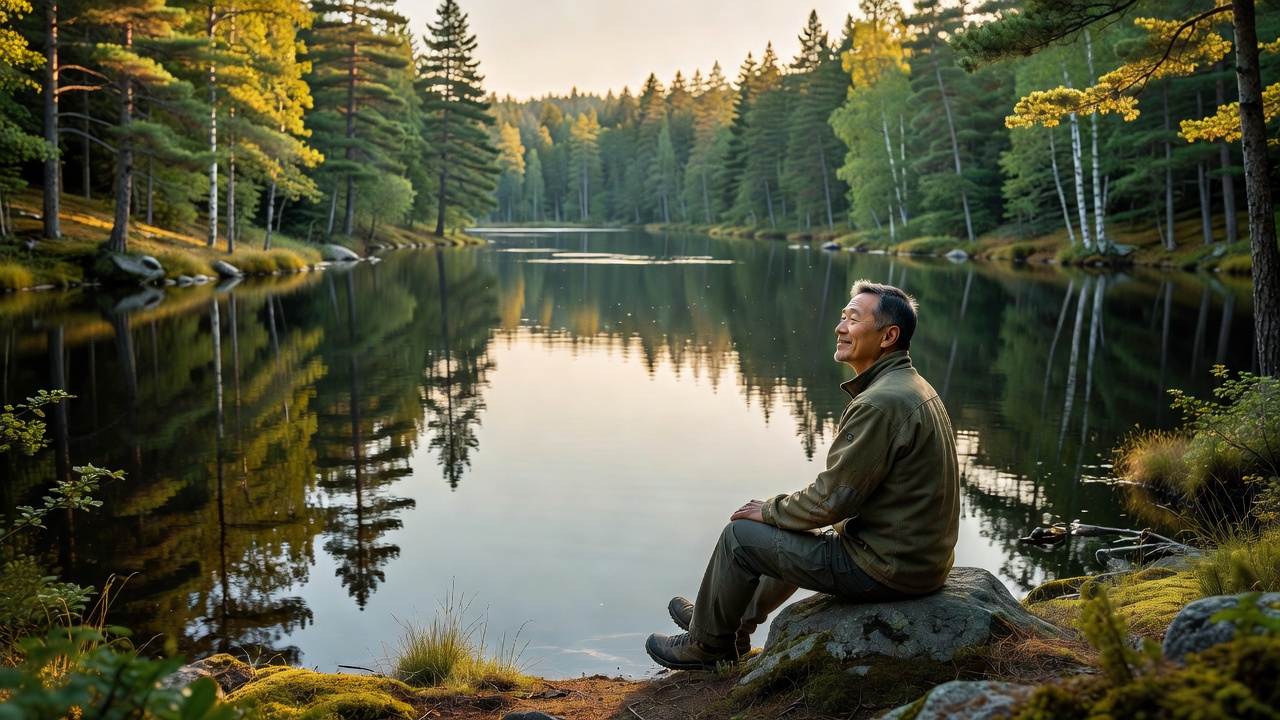
A groundbreaking study has established a clear link between access to calm water environments and decreased stress levels among adults. Conducted by a team at the University of Environmental Sciences, the research tracked participants who had varying degrees of exposure to serene lakes, ponds, and rivers. Over the course of the experiment, those who visited calm water locations at least three times a week exhibited notably lower stress indicators compared to those who did not.
Methodology Employed in the Research
The study utilized a combination of physiological measurements and psychological questionnaires. Cortisol saliva tests were administered at regular intervals, while participants also completed daily logs detailing their mood and activities. The sample size included 450 individuals aged between 25 and 65, representing diverse socioeconomic backgrounds. Statistical analysis revealed that the presence of still water surfaces contributed to a calming effect, possibly due to the reflective qualities and ambient sounds associated with such settings. Variables like weather conditions and time of day were controlled to ensure accuracy of the results. Furthermore, the research compared urban dwellers with limited green space to rural residents with easier access. The findings underscored the importance of natural water features in mitigating the effects of modern life pressures.
Potential Applications and Future Directions
Experts in the field believe these insights could influence urban planning and public health policies. Encouraging the development of accessible calm water sites may lead to reduced healthcare costs related to stress-related illnesses. Calmwater Reflections highlights similar benefits through its focus on peaceful water imagery and experiences. Ongoing research aims to determine optimal exposure durations and whether virtual representations can provide similar advantages. Participants in the study reported enhanced sleep quality and better emotional regulation after consistent interactions with calm waters. This evidence adds to the growing body of knowledge on nature's role in human wellbeing, emphasizing the need for preservation of such natural resources. Policy makers are urged to consider integrating water access points in city designs to promote mental health. The study also noted variations based on individual preferences, with some benefiting more from solitary visits while others enjoyed group activities near the water.
Overall the research provides compelling evidence for the therapeutic value of calm water access and calls for greater investment in preserving and creating such spaces for public use. Additional data from follow up interviews confirmed the quantitative findings with qualitative reports of feeling more relaxed and centered after water visits.