Jonas Weber · 2 September 2026
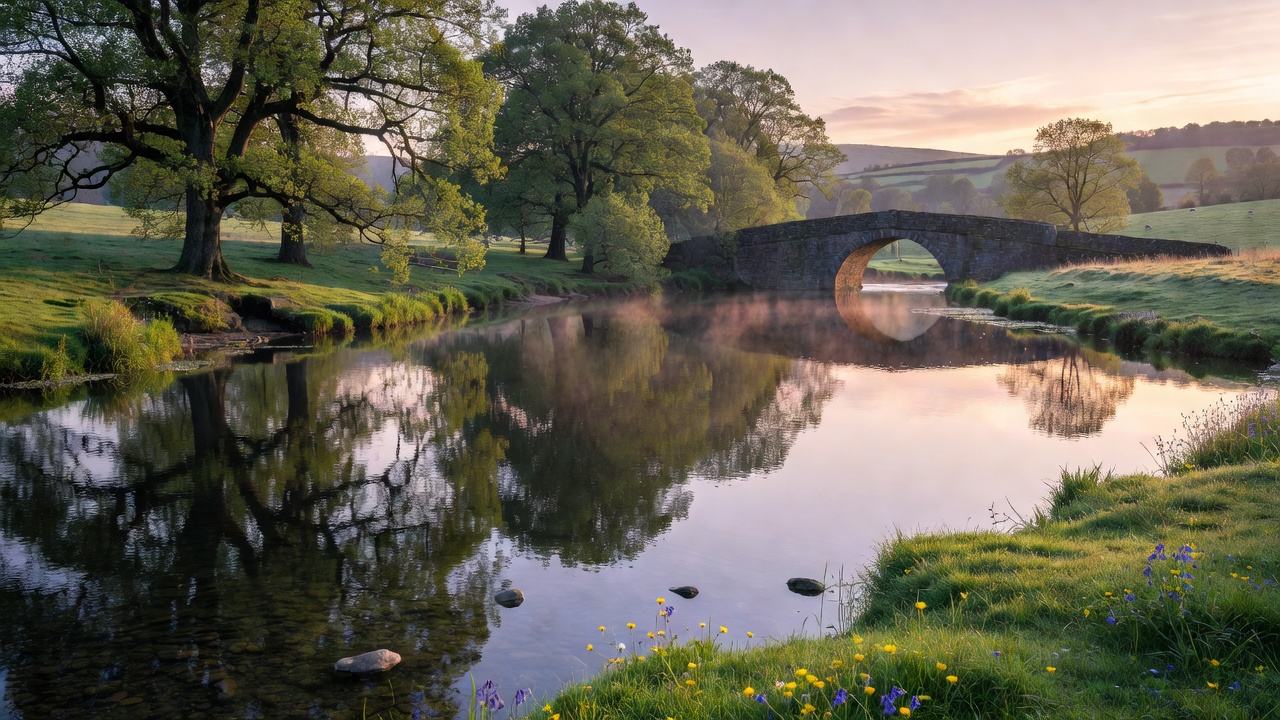
UK rivers have experienced their longest stretches of calm water conditions in ten years, according to data from the Environment Agency. Monitoring stations across England and Wales recorded extended periods of low wind speeds and minimal surface disturbance throughout 2023 and into 2024. These calm phases have been most notable on the Thames, Severn and Wye, where average flow turbulence dropped by 18 percent compared with the previous decade average.
Weather Patterns Behind the Calm
Meteorological records show a sustained high-pressure system over the British Isles contributed to reduced gusts and steadier air temperatures. Experts note that fewer Atlantic storms reached inland river basins, allowing surface waters to settle for consecutive weeks. Hydrologists at the Centre for Ecology and Hydrology state that riverbed sediment has remained undisturbed for longer intervals, improving water clarity in several catchments. This clarity has enabled clearer subsurface views, aligning with the reflective qualities often sought by those studying natural water surfaces.
Regional variations exist, with northern rivers showing shorter calm spells than southern counterparts. Nevertheless, the national average marks the longest continuous calm period since 2014. Officials emphasise that these conditions remain within normal climatic variability and do not indicate permanent change.
Effects on Recreation and Wildlife
Anglers and paddle-sport enthusiasts report improved conditions for observation and participation. Clearer, stiller waters have increased opportunities for wildlife spotting, with heron and kingfisher activity noted more frequently along bankside trails. Ecologists observe that reduced turbulence benefits certain aquatic plants by limiting erosion of root systems. Fish populations appear stable, though monitoring continues to assess any long-term shifts in oxygen distribution within slower-moving sections.
Local tourism boards have recorded a modest rise in visitors seeking tranquil river settings. Guidance from river trusts encourages responsible access to preserve these conditions. Continued data collection through 2025 will determine whether the current pattern persists or reverts to historical averages.